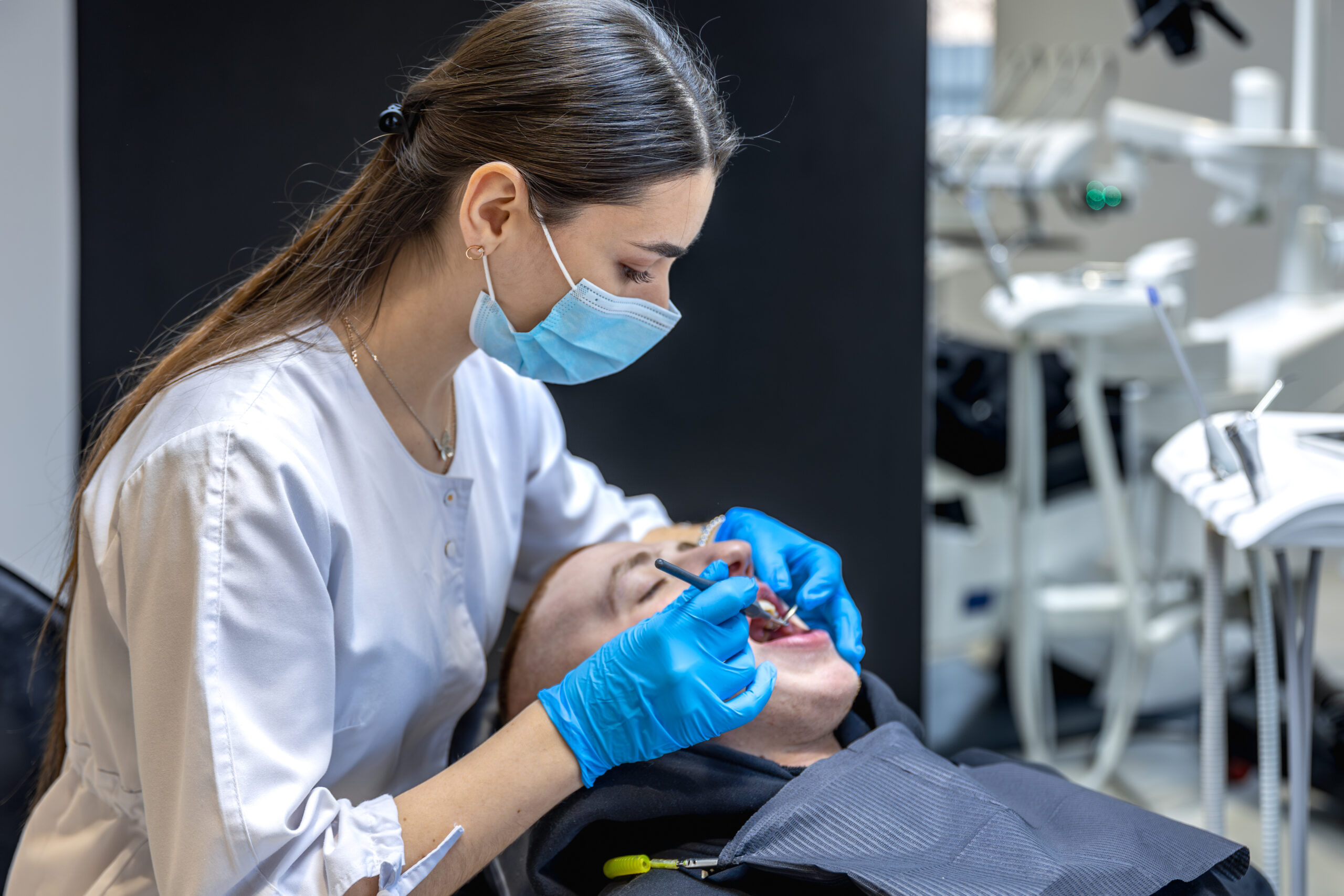
Were you unable to sleep thinking about the dentist’s office and all those awful instruments? In that case, think about how wonderful it would be to walk into the dentist’s office and not have to care about anything.
Most of the time, people are worried about dental visits because of sensitivity, gag reflex, and anxiety. Many people face the same problem. And the real problem is that avoiding dental visits means letting minor problems develop into something much more serious.
Fortunately, modern dentistry offers a great solution called “Dental Sedation” that can help you break the fear cycle. We at McCallum Dental believe that fear should not prevent you from taking proper care of your health. The procedure is both reliable and certain, which helps to make patients forget anxiety during dental procedures.
Definition of Dental Sedation
Dental sedation refers to medication that is effective in making people feel relaxed and comfortable before and during dental procedures. Unlike general anesthesia, which has the effect of putting an individual into a state of sleep, dental sedation is used mainly for achieving conscious sedation. This means that the patient is still awake, since the individual is only put into a state of relaxation during a dental procedure, making them free from anxiety and tension.
The Advantages of Using Dental Sedation
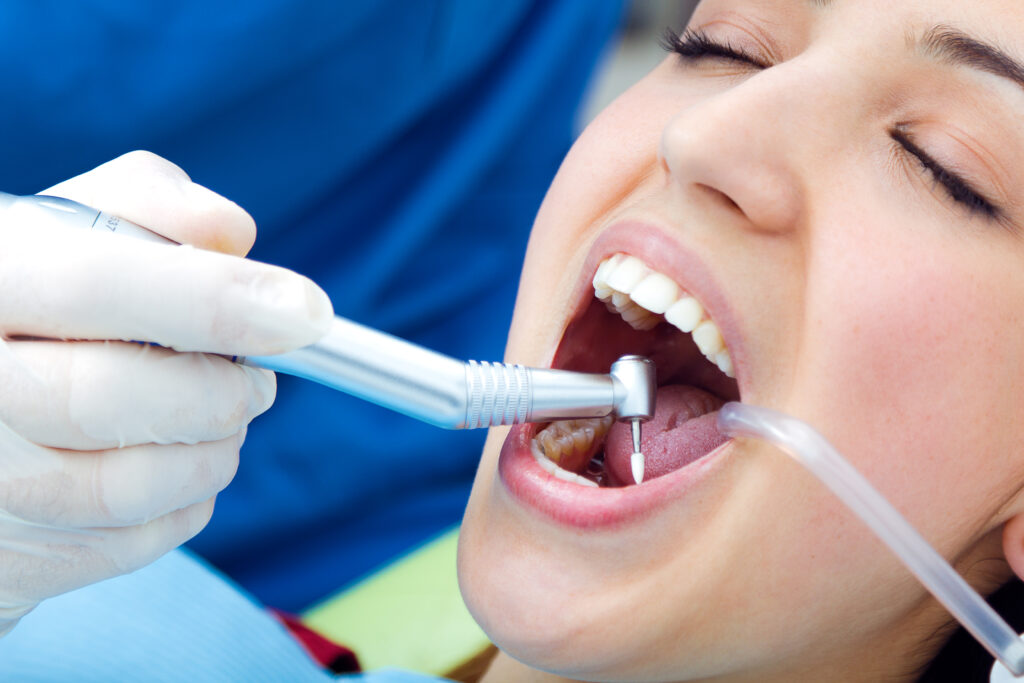
Fortunately, both patients and dental practitioners benefit from several advantages associated with dental sedation. In certain situations, the anxiety of visiting the dentist may hinder some people from getting proper dental care.
Here are Some Benefits of Dental Sedation Techniques:
1. Reducing Anxiety and Stress
The foremost advantage of dental sedation is the emotional benefits. Severe cases of dental phobia can make the patient afraid of even entering the dentist’s office. Sedation functions like a psychological cushion that can help to stay peaceful and calm during the whole process.
2. Maximising your time in the chair
When the patient is in a relaxed state of mind, time moves very fast. Moreover, sedation helps one to get the treatment done within one visit. Since the patient is relaxed, the dentist will find it easier to perform various dental procedures within a single visit.
3. Dealing with Gag Reflex or Physical Sensitivity
In certain cases, patients experiencing pain may not be able to cope with dental procedures because of their gag reflexes or physical issues. Hyperactive gag reflexes make dental procedures unbearable. Some patients also have especially sensitive teeth or painful jaws, which make it difficult for them to keep still. Dental Sedation can ease the gag reflex, thus rendering the procedure painless.
4. Relaxing During the Procedure
Sedation involves the use of drugs that have amnesic properties. Thus allowing patients to forget about the procedure altogether. After the procedure, patients do not remember anything about the sounds or processes that they went through.
What Is Dental Sedation Made Of?
There are several different types of sedation, with each having its own advantages and disadvantages. You should talk to your dentist about the possible types of sedation for your dental procedure, so you can choose one that fits your needs best.
Nitrous Oxide (Laughing Gas)
This is the oldest and most classic form of dental sedation commonly found in family dentistry practice. The sedation is delivered through the use of a small mask placed on your nose. You breathe in a constant stream of nitrous oxide and oxygen. After breathing it for some time, you start feeling relaxed and happier. One of the main advantages of this type of sedation is that it clears from your body almost immediately after stopping the administration of the gas, which allows you to return to normal business right after the dental procedure.
Oral Sedation (Conscious Sedation)
Our dental practice often applies oral sedation techniques to make patients more comfortable during a procedure. Depending on the requirements of a patient, an oral sedative that belongs to the family of benzodiazepines could be recommended by the dentist and taken in pill form about an hour before the appointment. This particular medication will produce effects before the patient sits in the dentist’s chair, causing a feeling of drowsiness and relaxation.
IV Sedation (Twilight Sedation)
The IV sedation technique implies that sedative agents are injected directly into the bloodstream. Through this, the dental professional can instantly change the dosage level of the sedative agent in question. This is the best solution for surgical manipulations that require prolonged and intensive procedures. Besides that, a person who has been sedated will need a ride home.
What Happens Before and After the Dental Sedation Process?
To ensure your experience goes as smoothly and pleasantly as possible, our dental team will provide clear instructions based on the type of sedation you are receiving.
Schedule a consultation to start your journey. Your dentist will thoroughly check your medical history, current medications, and any medical conditions to ensure sedation is completely safe for you. When you choose oral or IV sedation, you will be told not to eat or drink for several hours before your arrival. Make sure to wear loose and comfortable clothes. Also, make sure your companion is ready with you for after treatment.
Post-Consultation Care
After the treatment is done, you’ll rest in a dedicated recovery area in our clinic while the sedative gradually wears off. If you had nitrous oxide, this recovery lasts just a moment, and your head will clear almost immediately.
If you are sedated orally or via IV sedation, you will likely be groggy, lightheaded, or sleepy for the rest of the day. For at least 24 hours, you shouldn’t operate machinery, make important decisions, or lift heavy objects. Our team will also instruct you to have a soft diet and take plenty of fluids until the medication has completely left your system.
How McCallum Dental Can Help You in the Process of Dental Sedation
It takes a lot of courage to book a dental appointment when you struggle with anxiety. This is why McCallum Dental’s team does things differently. We do not provide medicinal sedatives only. We help create a whole environment with a purpose that removes anxiety.
Personalised Sedation Levels: We engage with you to understand your specific fears.
We provide a level of sedation that complements your requirements. Whether you want a light layer of tranquility from the nitrous oxide or a greater level of relaxation with oral conscious sedation, we can help.
Safety and Monitoring: We take your safety and monitoring as our top priority. At our clinic in Langford, we have the latest monitoring equipment, and our certified professionals monitor your vitals at every step, allowing you to relax.
Transparent Financial Support: We take away all the financial hassles for our patients. Our team will bill directly to your insurance company, but we also welcome those eligible for the Canadian Dental Care Plan!
FAQs (Frequently Asked Questions)
Ques. 1: Will I be completely asleep with dental sedation?
Ans: No! With standard methods such as nitrous oxide (laughing gas) or oral conscious sedation, you will not be completely asleep. But you will stay conscious and able to answer questions or follow basic requests made by the dentist.
Ques. 2: Is Dental Sedation Safe?
Ans: Yes. It’s highly safe! Dental sedation is very safe if done by trained professional dentists. Your dental clinician will conduct a thorough evaluation of your medical history before approving any sedation treatment. During the whole course of your treatment, they keep monitoring your vitals like heart rate, blood pressure & oxygen level to ensure maximum safety.
Ques. 3: Can I drive myself home after receiving sedation?
Ans: This depends upon the type of sedation that was administered. If you were given Nitrous Oxide (laughing gas), then this will wear off as soon as the mask is removed from your face, which means that it would be safe for you to drive home.
Ques.4: Who can have Dental Sedation?
Ans: Patients suffering from dental phobia, with a pronounced gag reflex, sensitive teeth, and people looking for treatment that takes a longer time can benefit from dental sedation. You should speak to your dentist in order to choose the best option depending on your medical history.
Ques. 5: How long does the effect of dental sedation last?
Ans: Depending on the medication and dose of sedative, one can expect to feel relaxed for two to twelve hours after the treatment.