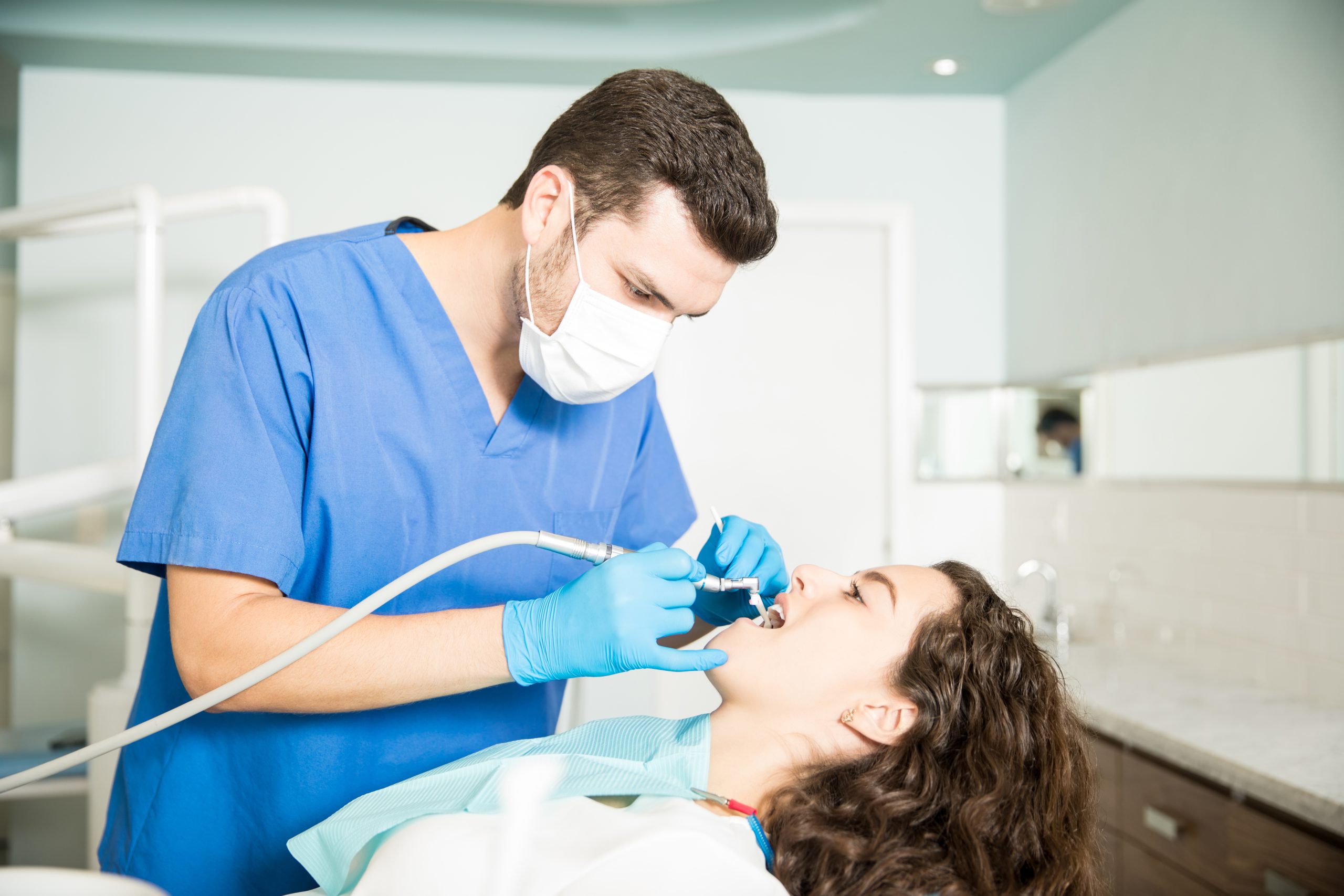
You must have frequently felt your hands sweating and your heart racing at an unbelievable rate when you are called to your dentist’s chamber. This is because you are over-anxious and even scared of the treatment you are about to receive.
This is quite a common occurrence, and although perfectly normal, it could be a hindrance to the treatment. The solution to this problem is dental sedation, also called conscious sedation or twilight sleep. It is a very simple procedure wherein the dentist would administer a mild sedative in various doses through multiple methods to relax the patient enough to make the treatment comfortable.
The patient is conscious throughout the procedure but is rendered incapable of feeling anything due to a semi-conscious state of the brain.
Types of Dental Sedation Services
There are four different dental sedation services performed by doctors. Below, these methods have been shortly explained for better understanding.
Nitrous oxide sedation: In this type of sedation, the dentist will put a mask on the patient’s nose to give him/her laughing gas. The gas depresses the patient’s nerves moderately, meaning that he/she will feel very calm. The dentist will therefore control the proper dose during the whole dental procedure. After finishing the treatment, he/she will change the cylinder with nitrous oxide to one with pure oxygen to flush the gas out of the patient’s body.
Oral sedation: This method is characterized by giving the patient oral medication, mostly clonazepam or triazolam. It is important to consider the patient’s health before giving this dose; however, it should not be too high to avoid any unwanted side effects. Along with tablets, the doctor may prescribe syrups containing certain sedative components in a mild percentage.
Intravenous (IV): In cases of long procedures with the application of implants, complicated surgeries, neuro-interventions, and others, dentists recommend using intravenous IV treatment. Similar to the previous sedation methods, the anesthetic is injected into the patient’s bloodstream with the help of a needle. However, throughout the operation, the healthcare providers monitor the patient’s heart rate and blood pressure to prevent any negative side effects.
General anesthesia: General anesthesia is administered by a trained anesthesiologist using medications that make the patient fully unconscious during dental treatment. The patient’s breathing, heart rate, blood pressure, and oxygen levels are continuously monitored. Once the patient is unconscious, the dentist performs the required dental procedure. After treatment, the medications are stopped, and the patient is monitored in recovery until they wake up safely.
Benefits of Dental Sedation
- Sedation will help you overcome your fear of the dentist so that they can take care of you without worry.
- With sedation, you will no longer find yourself nervous, no matter how complex the procedure is.
- Dental sedation can help lower your anxiety and keep you calm and relaxed if you suffer from anxiety.
- The sedation will not take a very long time to kick in; you have to take the medication half an hour before the procedure starts if you are taking oral sedatives.
- Dental sedation is administered in low to moderate amounts, so there are no lingering side effects.
- You will not have to worry about loss of muscle control or a euphoric state.
Routine to Follow Before and After the Dental Sedation
You must follow a particular procedure to make sure that it is administered appropriately. We have explained below what to do before and after dental sedation.
Before Sedation
After discussing health problems and other conditions, your doctor will administer the appropriate sedation process and dose. Your stomach should be empty for at least six hours. Take all the medications as instructed by your doctor.
After Sedation
If your doctor has opted for oral or IV sedation, you must visit the dental clinic with a friend or a family member. In both cases, the sedation can last for a couple of hours after the procedure. Therefore, you cannot drive yourself back home. Get proper sleep to let your body get conscious.
Who can opt for dental sedation?
It is essential to understand when the use of dental sedation is most appropriate. Below are the conditions under which it is advisable to consider this option.
- If the person’s teeth and gums are very sensitive.
- If the person has a low tolerance to pain.
- If the patient has dental phobia
- When a complex dental procedure that requires surgery is needed.
What Are the Essential Things to Take Care of Before and After Getting Sedation?
Below are the pre- and post-operative instructions after getting Surrey dentistry:
Pre-operative Instructions
Here are the pre- and post-operative instructions after receiving Surrey dentistry:
Refrain From Alcohol and Other Drugs
As a patient, it is crucial to avoid taking alcohol and other drugs like marijuana. This is advisable because they reduce the effectiveness of the sedation. Hence, it is best to refrain from taking them for a day before being sedated.
Smoking
Individuals who are heavy smokers should avoid smoking at all costs because their bodies have become resistant to sedatives.
Medicines
It is vital to inform the dentist about your current medication to help them determine whether the medication will interfere with the sedative and cause adverse effects. For instance, if you are on medication for conditions other than high blood pressure or diabetes, the dentist may advise against sedation dentistry.
Clothing and Accessories
The dentist will advise you to put on comfortable clothing on the day of the surgery. You should also refrain from putting on accessories that can be a hindrance during the surgery.
Drinks and Food
It is best to avoid eating or drinking 8 hours before the sedative takes effect. As a result, the chances of experiencing adverse effects during the surgery will be drastically reduced.
Post-Operative Instructions
Heavy Lifting
Avoid getting involved in lifting any heavy things within the first 24 hours after dental sedation.
Driving
It is dangerous to get behind the steering wheel in the initial 24 hours after getting sedation dentistry.
Using Dangerous Devices or Machines
Dentists also advise against operating dangerous machinery and equipment till 24 hours after being put under sedation.
Stairs
Avoiding taking stairs in the first 24 hours after getting sedation dentistry will help you avoid getting injured. Taking them will be a great risk of falling and getting hurt.
Making Important Decisions
Hold off on making essential decisions within the first 24 hours of the procedure. This is because you are not in the best state of mind to think appropriately and make the right decisions.
What is the dental sedation cost in Langford?
In Langford, British Columbia, Canada, dental sedation costs depend on the type of sedation, how long it is needed, and whether it is combined with a dental procedure.
| Type of Dental Sedation | Estimated Cost (CAD) |
| Nitrous Oxide (Laughing Gas) | $50–$200 |
| Oral Sedation (Pill) | $100–$350 |
| IV Sedation | $200$–$700+ |
| General Anesthesia | $500–$1500+ |
Conclusion
In this brief, we have covered all that you need to know about dental sedation, how the dentist delivers the sedatives, their benefits, and more. With this information, you are now knowledgeable about what happens during sedation dentistry. To learn more about sedation dentistry, dental sedation cost, and the best dental treatment, you can consult the dentists at McCallum Dental for further information. Their expertise and years of experience will undoubtedly help you clear all your queries related to sedation dentistry
FAQs
1. What is dental sedation?
Dental sedation uses medication to help patients feel calm and relaxed during dental procedures. Depending on the method, patients may remain awake or become deeply unconscious under general anesthesia.
2. What are the different types of dental sedation?
The main types are nitrous oxide sedation, oral sedation, intravenous (IV) sedation, and general anesthesia. The dentist recommends an appropriate option based on the patient’s health, anxiety level, and treatment needs.
3. How much does dental sedation cost in Langford?
The estimated cost ranges from CAD $50–$200 for nitrous oxide, $100–$350 for oral sedation, and $300–$1500 or more for IV sedation or general anesthesia. Actual fees vary by clinic, procedure, and duration.
4. Is dental sedation safe?
Dental sedation is generally safe when administered by qualified professionals who assess the patient’s health and monitor them appropriately. Potential risks depend on the sedation method and the patient’s medical history.
5. Do patients feel pain during dental sedation?
Sedation helps reduce anxiety and promote relaxation, but it does not necessarily eliminate pain. Dentists commonly use local anesthesia alongside sedation to numb the treatment area.
6. How should I prepare for dental sedation?
Tell your dentist about your medical history, medications, and allergies. Follow the clinic’s specific instructions about fasting, alcohol, and other substances, and arrange transportation if required.
7. Can I drive after dental sedation?
You should not drive after oral or IV sedation until your dental team confirms it is safe, typically for at least 24 hours. Nitrous oxide may wear off more quickly, but follow your dentist’s instructions.
8. How long does it take to recover from dental sedation?
Recovery depends on the sedation method. Nitrous oxide effects usually wear off quickly, while oral and IV sedation can cause drowsiness for several hours. General anesthesia may require a longer recovery period.