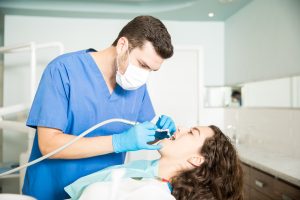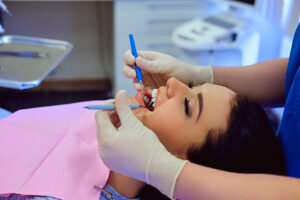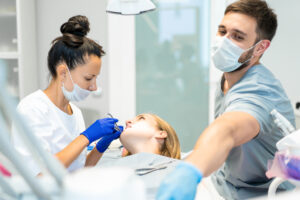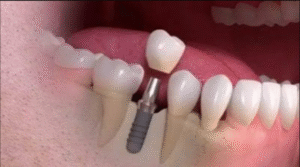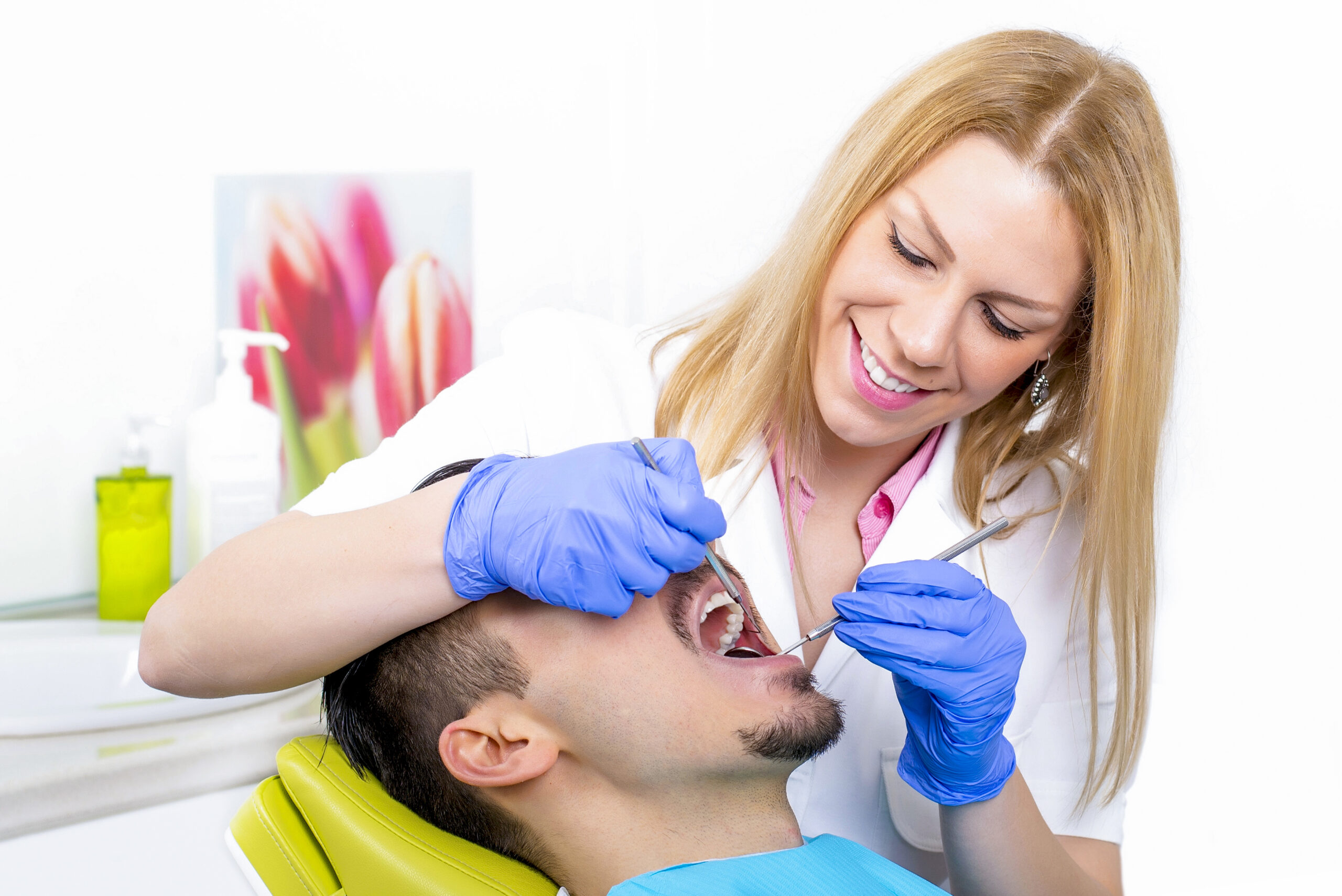
Preventive dentistry is any treatment or technique that helps prevent tooth decay, tooth loss, and gum disease. It can be anything from developing good oral care habits like brushing and flossing at home to dentist-supervised treatments like sealants or fluoride treatments all of which can work together to help protect and strengthen your teeth and reduce your risk of dental health problems.
Why Preventive Dentistry Is Important
Preventive dentistry treatments and routines, carried out at home and by a dental care provider, may offer many health and aesthetic benefits for your teeth, including:
Building healthy oral care habits
- A healthier smile
- Preventing gum disease
- Preventing oral cancer
- Preventing tooth decay
- Preventing tooth loss
- Preventing halitosis
Preventive Dentistry Tips to Try
Ready for a more radiant smile? Refer to these preventive dental tips and see if you’re already doing them. Then think about adding a few new ones to your routine for even better oral health care.
1. Increase brushing routine to two times a day.
If once a day is your average brushing habit, it’s time to change it to two. The American Dental Association (ADA) says research has shown it’s best to brush twice a day with a fluoride toothpaste to cut the chance of tooth decay and gum disease.
2. Don’t rinse after brushing.
Don’t rinse; just spit it out as the last step in your brushing routine. Not rinsing your mouth after brushing allows the fluoride in the toothpaste to remain on your teeth longer, enhancing its effectiveness.
3. Do not Brush Immediately After Eating
You might be used to brushing your teeth right after breakfast, but research suggests you might want to wait—especially if you’ve eaten something acidic like fruit, coffee, or bread products. Some acidic foods can erode the enamel on your teeth, so brushing straight after eating them can do more harm than good for your oral hygiene routine. Wait at least 30 minutes after a meal before brushing so your teeth can remineralize.
4. Seal deep tooth cavities
It’s no surprise that deep pits in back molars tend to trap and hold food particles, leading to decay. Sealants are a thin, protective coating that is put on the tooth to prevent food from getting stuck. Studies have shown that sealants can reduce the risk of cavities and tooth decay by as much as 80%.
5. Go electric.
Oral hygiene is better with electric toothbrushes than manual ones, but the manual toothbrush is cheap and doesn’t need to be charged. Electric toothbrushes are better at removing residual food and plaque from your teeth, which reduces your chances of tooth decay or gum disease.
6. Brush and floss together.
Brushing is a big part of good oral hygiene, but by itself it cleans only about 60% of a tooth surface. Clean between the teeth with floss or an interdental brush, and brush your teeth together to help remove food particles and buildup between the teeth to increase its effectiveness.
7. Change your toothbrush regularly.
When was the last time you changed your toothbrush? Then it’s probably time. Even if you’re brushing twice a day, worn or frayed bristles are less effective at cleaning your teeth especially if you’re using a manual or electric toothbrush. The ADA recommends changing manual toothbrushes or the heads of electric toothbrushes every three to four months, or sooner if you notice signs of wear
8. Use fluoride treatments.
At your next appointment, ask your dentist about a fluoride treatment if you want to take steps to prevent cavities or tooth decay. Fluoride strengthens the tooth’s surface, making it more resistant to decay. A dentist can apply a fluoride foam, varnish, or gel that contains a higher dose of fluoride than over-the-counter toothpastes or mouthwashes.
9. Cut back on sugary drinks and food.
Not a surprise: The more sugar you consume in foods and drinks, the more it affects the health of your mouth. Too much sugar is the main cause of dental caries. One recent study opens bluntly:
The best prevention is to cut down on the total amount of sugar you eat. If you do indulge, swish water around in your mouth or brush after eating sugary foods.
10. Stay on top of dental X-rays.
You might be tempted to skip dental X-rays to save money on your next dental visit. But X-rays can be a key preventive tool to keep your mouth healthy. X-rays help find and diagnose cavities between teeth and under fillings, bone loss, impacted teeth, gum disease, oral infections, and abscesses.
11. Straighten teeth
Straight teeth can be more beautiful, but there’s another reason you might want to straighten your smile: It is easier to keep straighter teeth clean. Crooked or overlapping teeth can give plaque more places to hide and can be harder to brush properly. Go to a dentist to determine if braces or other orthodontic treatments could help prevent dental problems.
12. Stop smoking.
In case you need another reason to stop smoking: Cigarettes, smokeless tobacco, and other forms of tobacco all lead to an increased risk of oral cancer and gum disease. Smoking is also associated with higher rates of bone damage, tooth loss, and jawbone loss. Reach out to a healthcare provider for help in quitting tobacco.
13. Get relief and protection from nighttime grinding.
If you wake up with a headache or jaw pain, you may be grinding your teeth at night. Your dentist can check your teeth for signs of grinding. Nighttime teeth grinding, also called bruxism, can cause jaw pain and damage your teeth. A night guard may help protect your teeth from damage and wear.
14. Drink with a straw.
Still want to consume sugary or acidic drinks? Use a straw to sip to reduce the effect on your teeth. Straws can be helpful for these types of drinks because they keep the liquid off your teeth. They also direct the liquid toward the back of the mouth to reduce the effect of the impact on your enamel.
15. Cut down on alcoholic drinks.
Turning down that drink may be good for your teeth. Alcohol is converted into sugar, which attracts bacteria that cause cavities. Beer and wine are acidic and can erode the enamel on your teeth over time. Studies have shown that alcohol is bad for the gums, which can lead to an increased risk of gum recession, infection, and plaque buildup. If you do drink, think about limiting your intake, using a straw, and rinsing with water.
16. Add gum arabic.
Surprised? Chewing sugar-free gum can actually be good for your mouth. Chewing gum produces more saliva, which helps to rinse away any loose food particles.
Between brushing, it helps counteract harmful oral bacteria. Just make sure it’s sugar-free to take advantage of gum’s preventative benefits.
What Does Professional Preventive Dental Care Include?
Preventive dentistry is more than your daily oral hygiene routine; it also includes regular care from your dentist. Regular dental checkups and cleanings are important for keeping your teeth and gums healthy. Dental X-rays can help find problems that can’t be seen during a regular exam. If needed, your dentist may also suggest fluoride treatments or dental sealants to help prevent tooth decay. Visiting your dentist regularly also gives them a chance to check your gum health and catch any potential dental problems early. Preventive care helps keep your teeth and gums healthy through regular check-ups, professional cleanings, and personalized dental care. Our experienced team uses modern digital technology and takes time to understand your oral health needs. With flexible scheduling, same-day emergency appointments, and a convenient Langford location, we at McCallum Dental make routine dental care easier for patients and families.
Faq
How often should I visit the dentist for preventive care?
Most people should have regular dental check-ups and cleanings as recommended by their dentist. Your visit schedule may vary depending on your oral health, dental history, and risk of developing dental problems.
Can preventive dentistry prevent cavities?
Preventive care can help reduce the risk of cavities. Regular brushing and flossing, fluoride treatments, dental cleanings, sealants, and limiting sugary foods and drinks can all support better cavity prevention.
Is preventive dentistry important for children?
Yes. Starting preventive dental care early can help children develop good oral hygiene habits and allow dentists to monitor the development of their teeth and gums.
Are dental X-rays part of preventive dentistry?
Dental X-rays may be used as part of preventive care when clinically appropriate. They can help dentists identify problems that may not be visible during a regular examination.
What can I do at home to maintain good oral health?
Brush twice a day with fluoride toothpaste, clean between your teeth daily, limit sugary foods and drinks, and follow the oral care recommendations provided by your dentist.
When should I schedule a dental appointment?
You should maintain regular dental visits even when your teeth feel healthy. Contact your dentist sooner if you experience tooth pain, sensitivity, bleeding gums, swelling, or other changes in your oral health.